Update: Microsoft has withdrawn the notice, restoring the app to the Play Store.
Luanti’s Android app is currently not available on the Google Play Store due to a baseless DMCA notice filed on behalf of Microsoft by Tracer.AI, alleging that Luanti infringes Minecraft’s copyright. The Luanti app does not contain any proprietary code or assets, from Minecraft or otherwise.
We received a similar notice from the same company in 2023 and successfully appealed against it. This company also filed a similar notice this year against an indie game with similar voxel art style by the name of Allumeria.
Table of Contents
- What is Luanti?
- What is the DMCA notice?
- Which assets?
- Cubes are for everyone
- What is Tracer.AI?
- This is not the first time this has happened
- This can’t keep happening
- What next?
What is Luanti?
Luanti is a voxel game-creation platform where anyone can make, share, discover, and play blocky games. It does not ship with any games or game assets by default. Instead, players can browse a catalog of games created by the community, or simply join multiplayer servers.
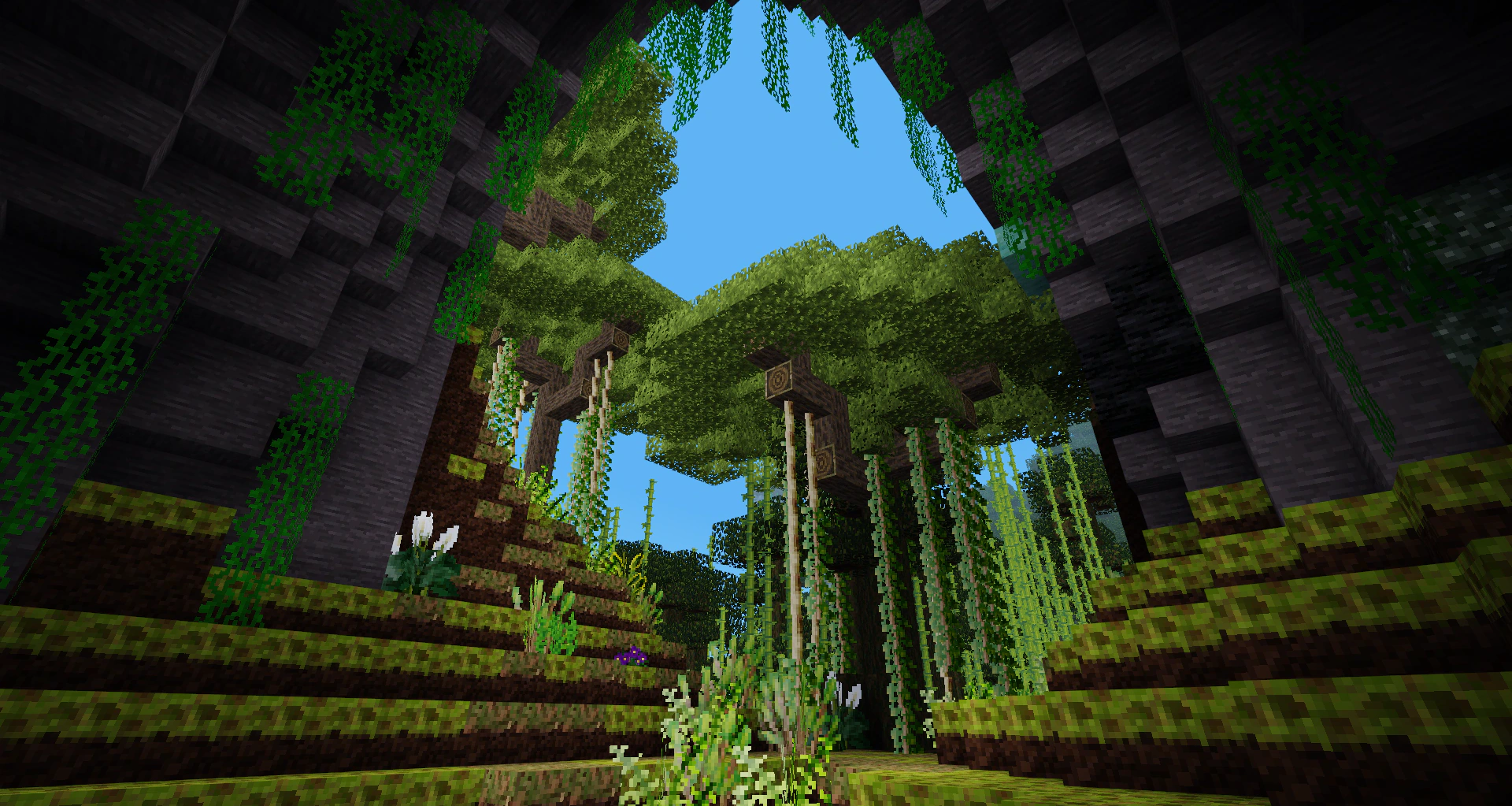
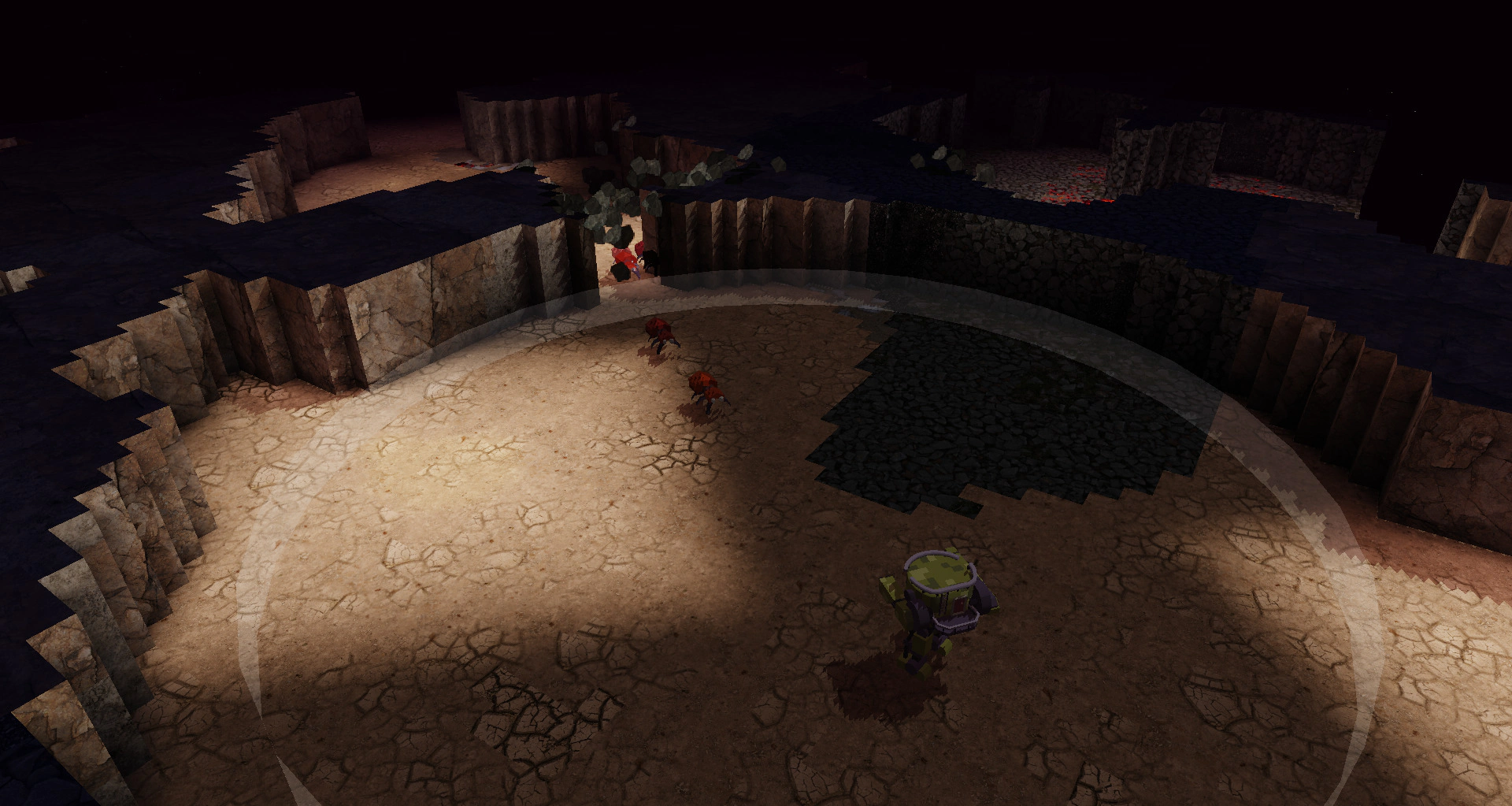
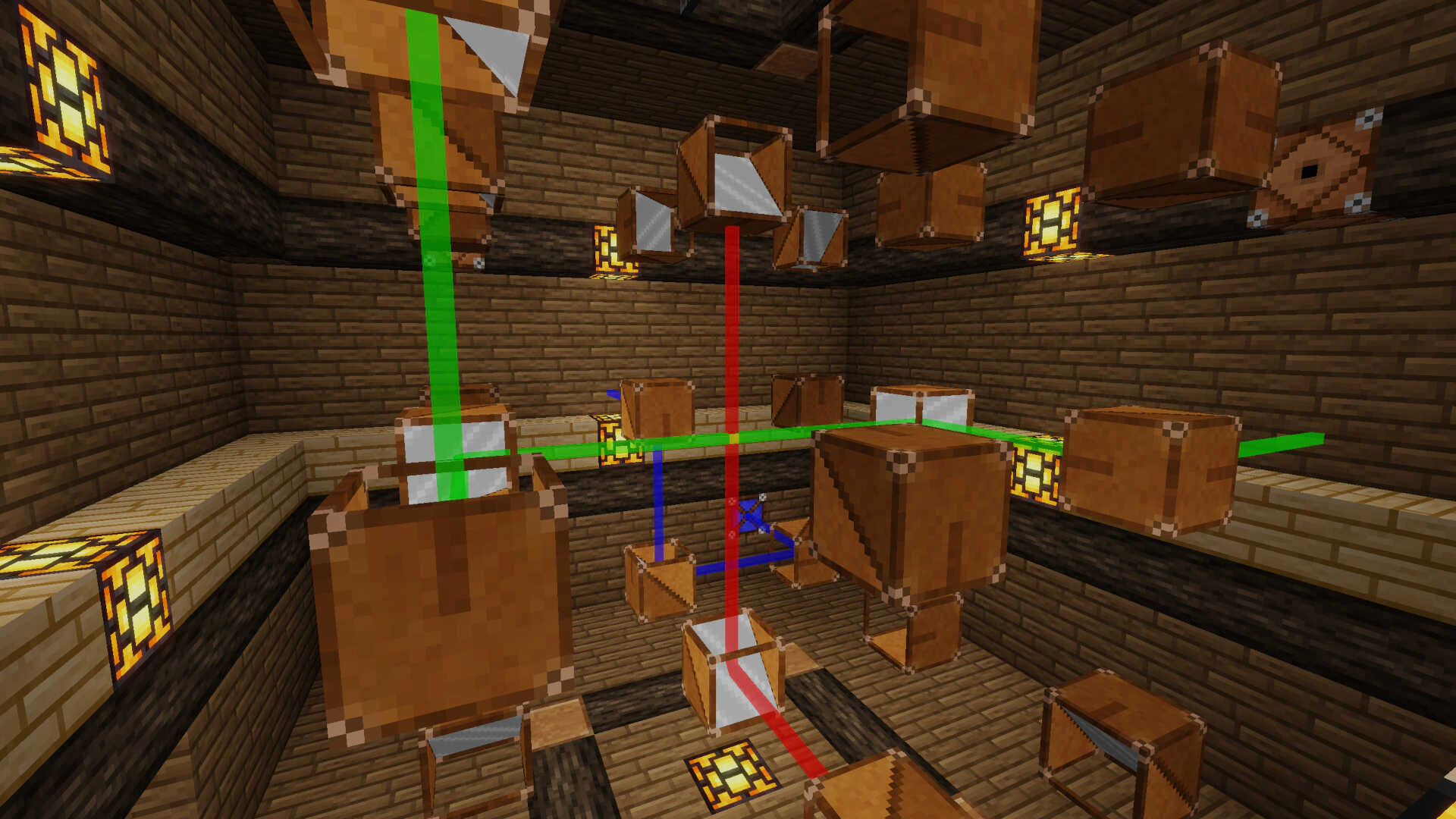
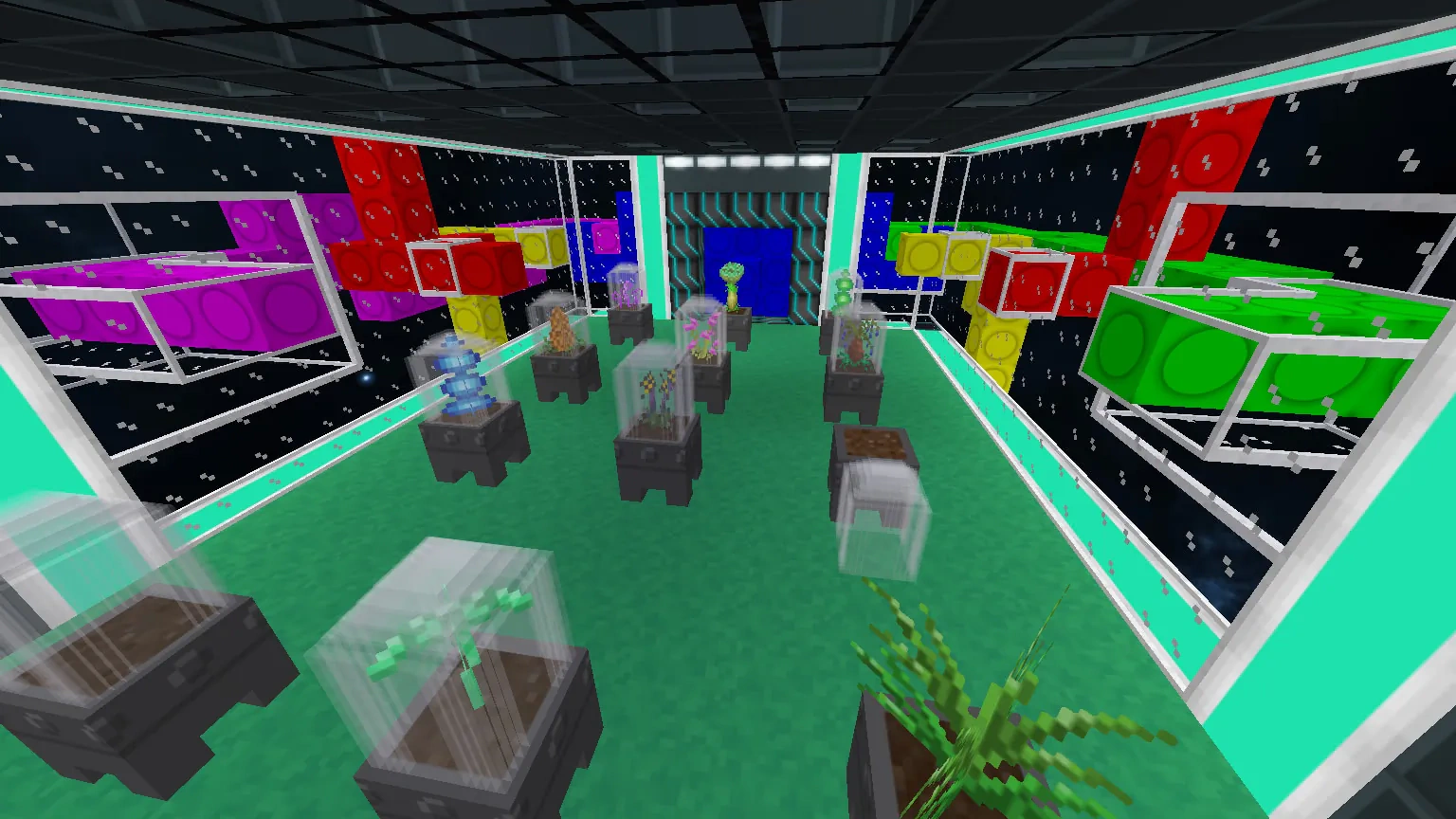
We are a non-profit project developed by a community of passionate individuals expressing their creativity. Luanti is open source, which means anyone can view the source code, modify it, learn from it, redistribute it, and even sell games made with it on platforms like Steam.
While Luanti is popular as an open-source alternative to Minecraft (as its roots are in blocky sandbox games), it also lowers barriers to bringing creative ideas to life. The freedom and customization Luanti affords has made it an excellent tool in education, finding its way into many schools across Europe.
What is the DMCA notice?
The Digital Millennium Copyright Act (DMCA) is United States law which lays out a notice-and-takedown process which platforms like Google Play follow to avoid liability for damages resulting from copyright-infringing packages which they distribute. These platforms are not responsible for the actions of their users, but they are responsible for taking corrective action when user-generated content is reported.
The DMCA notice we received through Google claims that:
These products use copyrighted assets as outlined directly from the Minecraft game (available at www.minecraft.net) without authorization and should be removed. Specifically, US Reg. #TX 8-192-097
“US Reg. #TX 8-192-097” is the registration of Minecraft Java Edition 1.9 with the US Copyright Office.
It does not provide any information aside from this and does not outline which assets Luanti allegedly uses.
Which assets?
Engine
Luanti is a game-creation platform and does not ship with any games, let alone game assets. In fact, here are all the textures Luanti comes with:
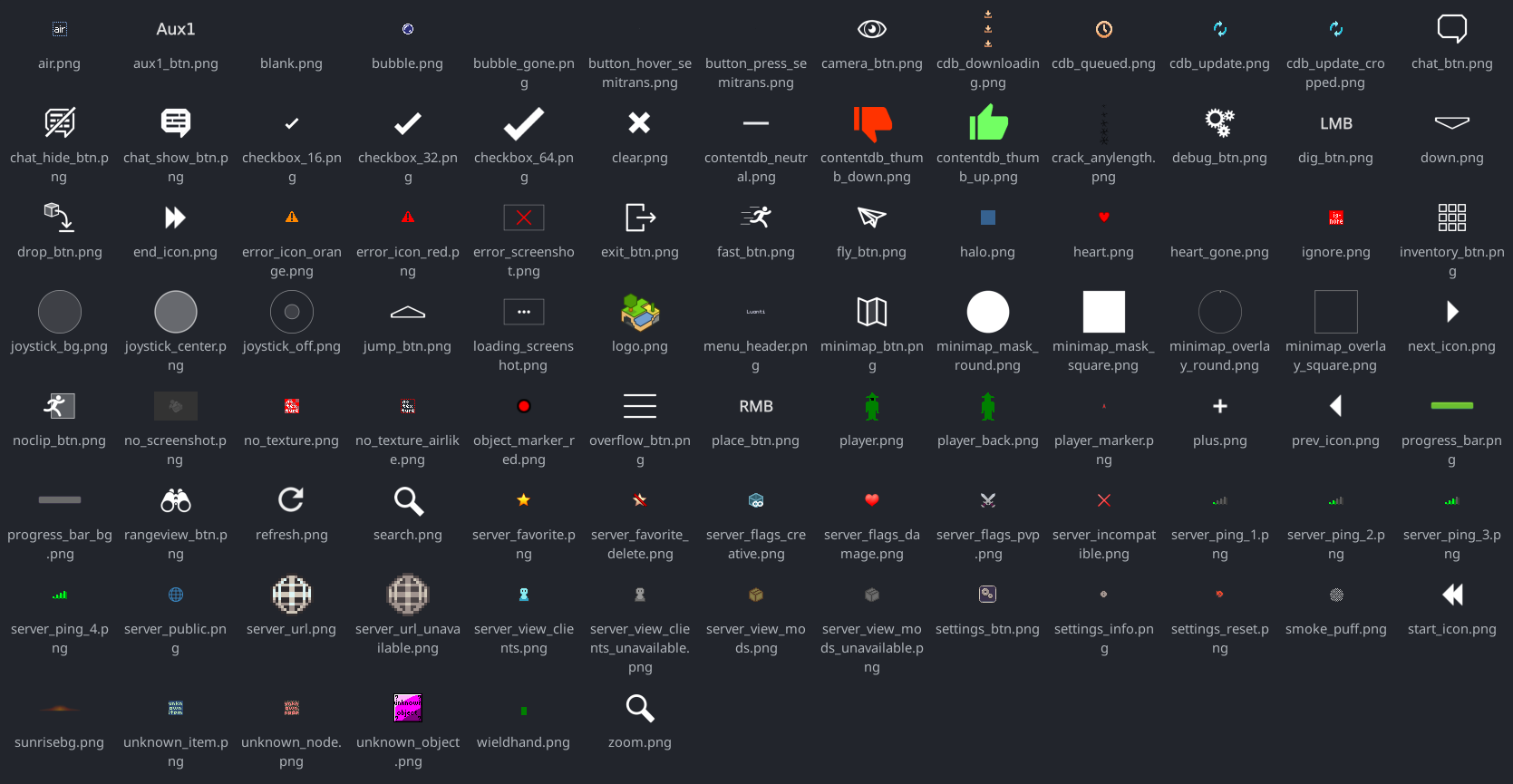
Luanti also includes further assets, particularly fonts. These are properly attributed in the license file.
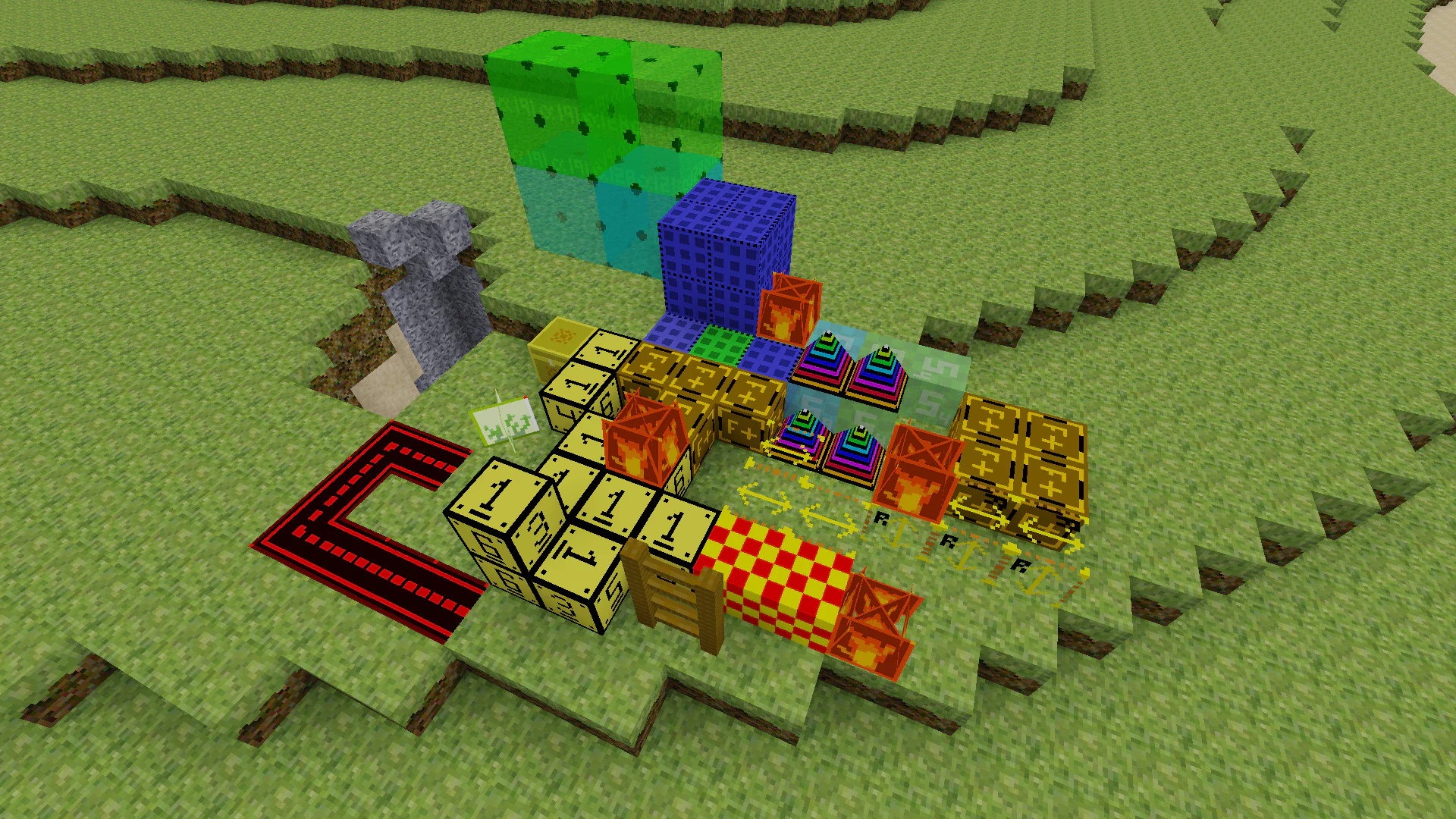
The GitHub repository does include the Development Test game, which is also available on ContentDB but is not included in Luanti releases anymore. Being a testing ground for the engine, the textures are largely utilitarian in nature.
Minetest Game
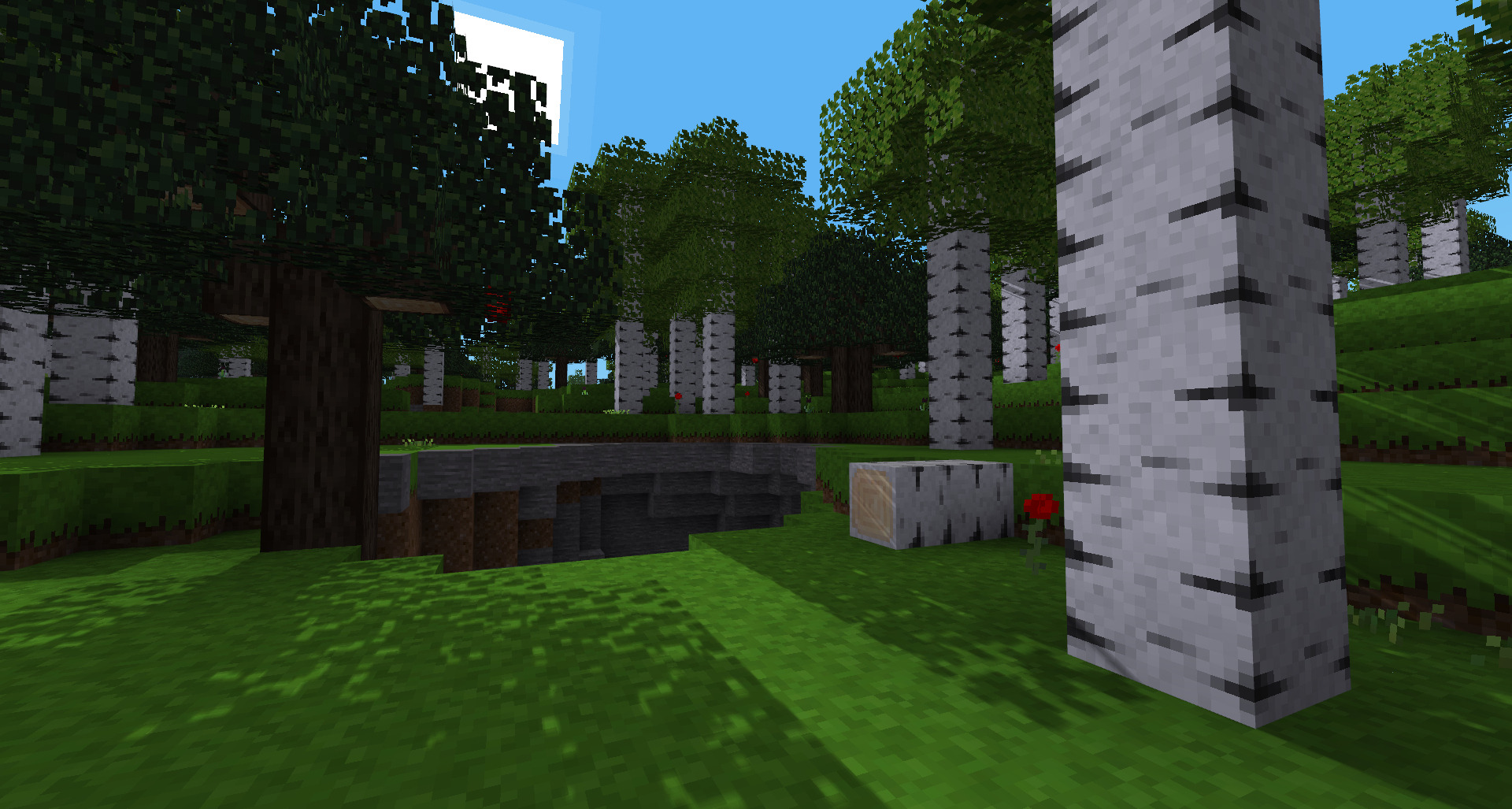
Luanti previously shipped with Minetest Game, a crafting survival game intentionally kept bare-bones to provide a base for modding. As of December 2023, it is no longer bundled with Luanti, and can be downloaded from within the Luanti client like any other game. All of Minetest Game’s assets are original and properly licensed1.
Third-party content
Players can download content from ContentDB, our in-app game catalog. Except for Minetest Game and Development Test, all these games, mods, and texture packs are third-party, just like most apps on Google Play.
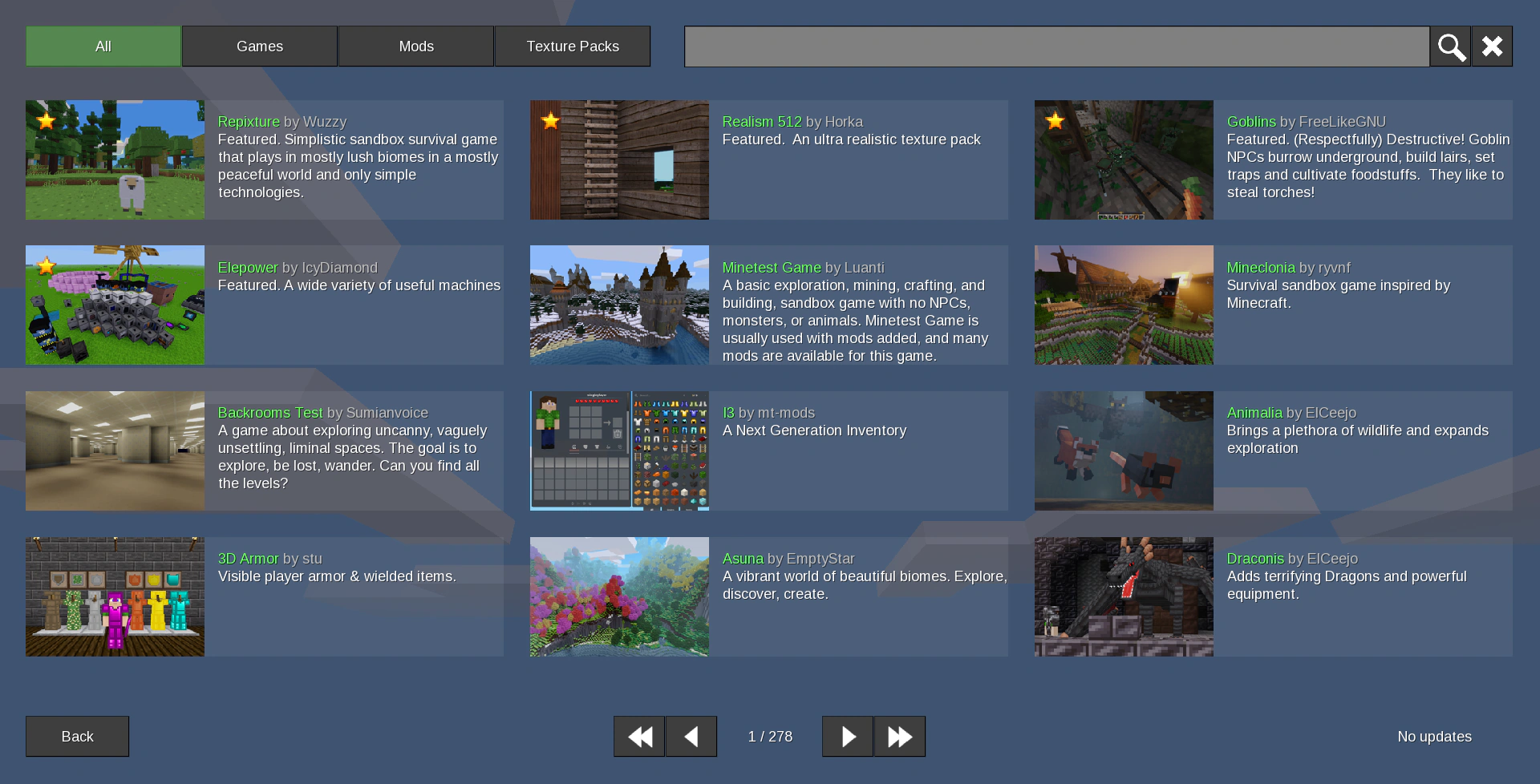
Packages uploaded on ContentDB are reviewed manually by volunteer staff before they are approved. We proactively check for copyright issues, including checking for commercial assets. Independent of this incident, we have been looking into automated asset flagging using conventional perceptual hashing algorithms. This would help human moderators detect copyrighted assets, and we will always require a final human decision without relying on erroneous AI.
It is in everyone’s best interests that content on ContentDB is legal and free, as it allows the community to safely use and build on top of it for their own projects. If you are a rightsholder who believes your rights are being infringed by content hosted on ContentDB, then the correct action is to submit a DMCA notice against the particular game on ContentDB.
Cubes are for everyone
The concept of a game featuring 3D cubes or voxels is not something anyone can own2. Minecraft was originally inspired by the 2009 game Infiniminer which uses similar voxel graphics, and later examples like Hytale show that block games make up an entire genre that Minecraft is simply a part of. Mojang and its parent company Microsoft have all rights to enforce their copyright for assets such as Minecraft’s textures, but cannot use the DMCA as a means to intimidate and monopolize an entire genre of games.
Luanti was originally created by celeron55 in 2010 under the name “Minetest”, inspired by the newly-released Minecraft Alpha to make a sandbox in a voxel grid that ran better on low-end hardware. Work began in 2011 on a modding API using the Lua programming language, allowing players to create their own content. Minetest has continued to work to support a larger variety of user creativity ever since. In 2024, the rename from Minetest to Luanti set this direction in stone.
What is Tracer.AI?
Quoting their website:
Tracer is a next-generation brand protection platform that empowers brands to take control of their brand presence online. Our AI agents streamline workflows and enhance operational efficiency, making it easier to monitor digital channels, take down detections, and analyze vast amounts of data to provide better business intelligence insights. Bring speed, accuracy, and efficiency to your brand protection strategy, without draining your team’s resources.
Tracer’s AI brand protection technology detects and removes infringements to your brand across thousands of digital platforms, faster and more accurately than ever before.
From this, we can gather that Tracer uses AI agents for automated infringement detection. In a 2024 blog post, the company boasts “85% faster takedowns”, “100% more reviews month-over-month” along with “review times that are six times faster than traditional methods”. It claims this has resulted in “44% more takedowns month-over-month”.
This is not the first time this has happened
Luanti’s Android app received a similar notice from the same company in March 2023. As the notice was incorrect, we submitted a counter-notice and the app was eventually reinstated… after 46 days3. Section 512(g)(2)(c) of the DMCA requires that providers “[replace] the removed material and [cease] disabling access to it not less than 10, nor more than 14, business days following receipt of the counter notice”. Google’s failure to adhere to the deadlines specified by the DMCA raises questions regarding its approach toward handling DMCA counter-notices.
In February of this year, an indie game called Allumeria also received a DMCA takedown from Tracer.AI on behalf of Microsoft, resulting in the game’s temporary removal from the Steam store. The notice was eventually dropped by Microsoft after public noise.
This can’t keep happening
If a company can repeatedly submit the same DMCA notice with no explanation or evidence, taking projects down for months at a time, the system is broken. It prevents users from discovering or updating Luanti, and risks users settling for shady or ad-ridden forks instead.
If we were a small company relying on income from the app, this would be especially devastating. We, like most open-source communities, lack the resources to continually fight unfounded DMCA notices.
What next?
We have submitted a counter-notice and the app should be restored soon, hopefully sooner than 46 days. But with counter-notices not being respected in the set timeframe, a more public approach is required.
We call on Microsoft, Mojang, and Tracer.AI to stop relying on AI tools to send inaccurate and vague DMCA notices. Detection must be verified by a human and, more importantly, substantiated with tangible proof.
We call on Google to improve how they verify notices, allow users to respond to notices without taking apps down for extended periods of time, and properly comply with copyright law.
While we hope Google reinstates the Luanti app in a timely manner, we would like to mention that the Luanti Android app is also available on F-Droid, an app store for Android whose official repository contains only verified free software. In addition, APK downloads are available on our own website. Unfortunately, both distribution mechanisms are increasingly under threat.
We ask our community and readers to share this post far and wide, to help raise awareness and ensure this doesn’t happen again, for us or anyone else.
-
17 U.S. Code § 102(b) https://www.law.cornell.edu/uscode/text/17/102 ↩
-
We submitted the counter notice on 25 March 2023 and the app was reinstated on 10 May 2023. ↩